


Transdisciplinary workshop
- Faculty of Architecture, University of Belgrade, Serbia
- Bulevar Kralja Aleksandra 73/2
- 17 June 2026, 9:00-13:00
Organisers
- Dr Aleksandar Staničić (TU Delft, Faculty of Architecture and Built Environment)
- Dr Jovan Pešalj (Leiden University, Faculty of Humanities, International Studies)
- Dr Vincent Chang (Leiden University, Faculty of Humanities, Institute for Area Studies)
Following a successful inaugural workshop at the TU Delft Faculty of Architecture on March 31, 2026, the second event in this series was held on June 17 at the Faculty of Architecture, University of Belgrade. This iteration expanded on the core premise of the project: questioning the common architectural and planning assumption that well-designed public spaces automatically foster social cohesion and migrant integration. While the built environment undeniably shapes social life, design, zoning, and spatial representation can just as easily deepen boundaries, reinforce separation, or consolidate ethnic communities into isolated enclaves. Understanding this dual potential is critical to deciphering the lived realities of community formation in contemporary European cities.
To investigate these dynamics, the workshop turned to an illustrative yet under-examined case: the Chinese diaspora in Belgrade. Despite their significant historical and demographic presence, Chinese communities have remained largely marginal in European urban planning and diversity debates, in particular in former socialist countries. They present a compelling paradox where a strong desire for emplacement coexists with a deep commitment to preserving a distinct sense of cultural identity. Commercial clusters, Chinese markets, and evolving “Chinatowns” serve as the primary spatial lenses to explore this tension. Specifically, the workshop interrogated how municipal authorities, private developers, community organizations, and state representatives negotiate spatial interventions, and how these are shaped by migration histories and international relations. Furthermore, we questioned how the resulting built environments impact visibility, belonging, and identity, and whether these spaces function as enclaves of exclusion, engines of inclusion, or hybrid transnational zones.
The workshop
The workshop commenced with welcoming notes delivered by Dr. Ivan Simić from the Faculty of Architecture of the University of Belgrade. Following the opening remarks, the core research team presented the foundational frameworks of the project. Dr. Aleksandar Staničić from TU Delft opened the session by discussing the challenges of creating meaningful spaces for migrant integration. This was followed by Dr. Jovan Pešalj from Leiden University, who interrogated the complex spatial and identity dilemmas that emerge between integration and transnationalism. Concluding the introductory core presentations, Dr. Vincent K. L. Chang of Leiden University provided an exploratory, comparative inquiry into the migration, governance, and spatial practices characterizing Chinese diasporas in both the Netherlands and Serbia.
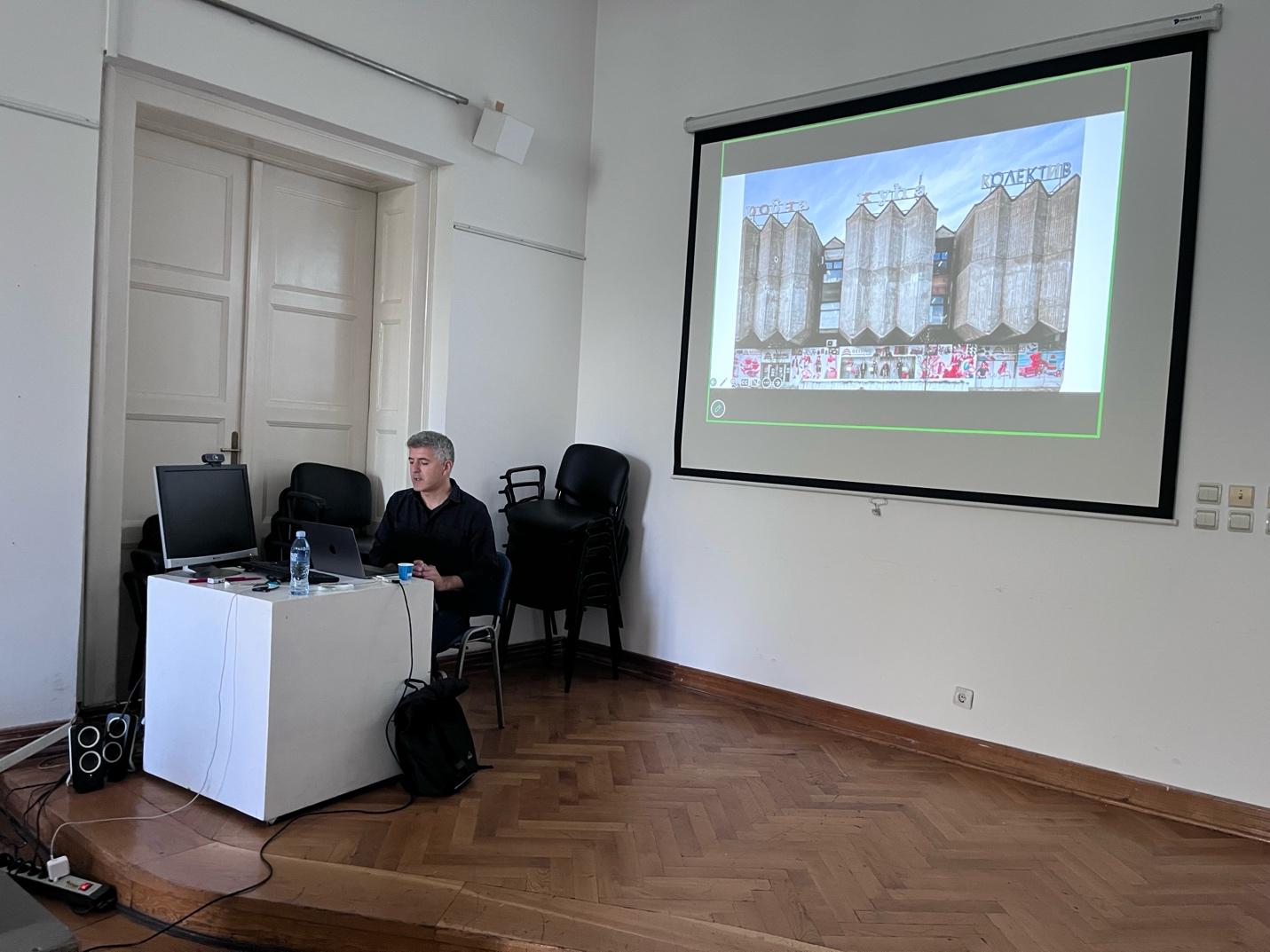
Fig. 1. Architecture, Space, and Migrant Integration workshop, Faculty of Architecture in Belgrade, June 17, 2026.
The program then moved into specialized guest lectures, beginning with Prof. Dr. Mirjana Lozanovska’s (Deakin University) broader theoretical exploration of the entangled histories between migration and urban development. Following this, Dr. Maja Korać (University of Belgrade, Institute for Sociological Research) discussed why non-traditional or economically strained destinations like post-1990s Serbia paradoxically offered unique advantages and agency to Chinese small traders, while Dr. Martina Bofulin (Slovenian Migration Institute) analyzed the grounded spatial practices of Chinese migrants through the lens of local emplacement in restaurants, marketplaces, and surrounding urban sites.
Workshop Conclusions
The culminating discussion brought together the workshop organizers, speakers, hosts, and guests under the facilitation of invited discussant Svetlana Milutinović. A primary focus of the conclusions centered on the theoretical utility of “emplacement” across migration studies, anthropology, and human geography. Emplacement is understood as a dynamic, relational, and embodied process through which displaced individuals and migrants actively ground themselves, build social relations, and claim a sense of belonging within a specific local space. Rather than viewing settlement as a passive or linear path toward assimilation or integration, scholarship on emplacement—most notably shaped by theorists like Ayşe Çağlar and Nina Glick Schiller—emphasizes that migrants are active agents who co-create the very cities, neighborhoods, and arrival infrastructures they inhabit. The value of this concept within contemporary migration theory was unpacked across several distinct dimensions during the debate.
The workshop concluded that Chinese migrants in Belgrade play an active role in co-creating arrival infrastructures. Newcomers do not simply step into a static, pre-existing environment. Instead, through everyday place-making, they actively reshape local networks, institutions, and the built environment. Emplacement explores how these informal and formal networks—ranging from local community centers and religious spaces to cross-ethnic commercial hubs—are continuously transformed by the people who use them, demonstrating that the presence of diverse, transient subjects fundamentally alters extant notions of neighborhood, city, and cultural identity.
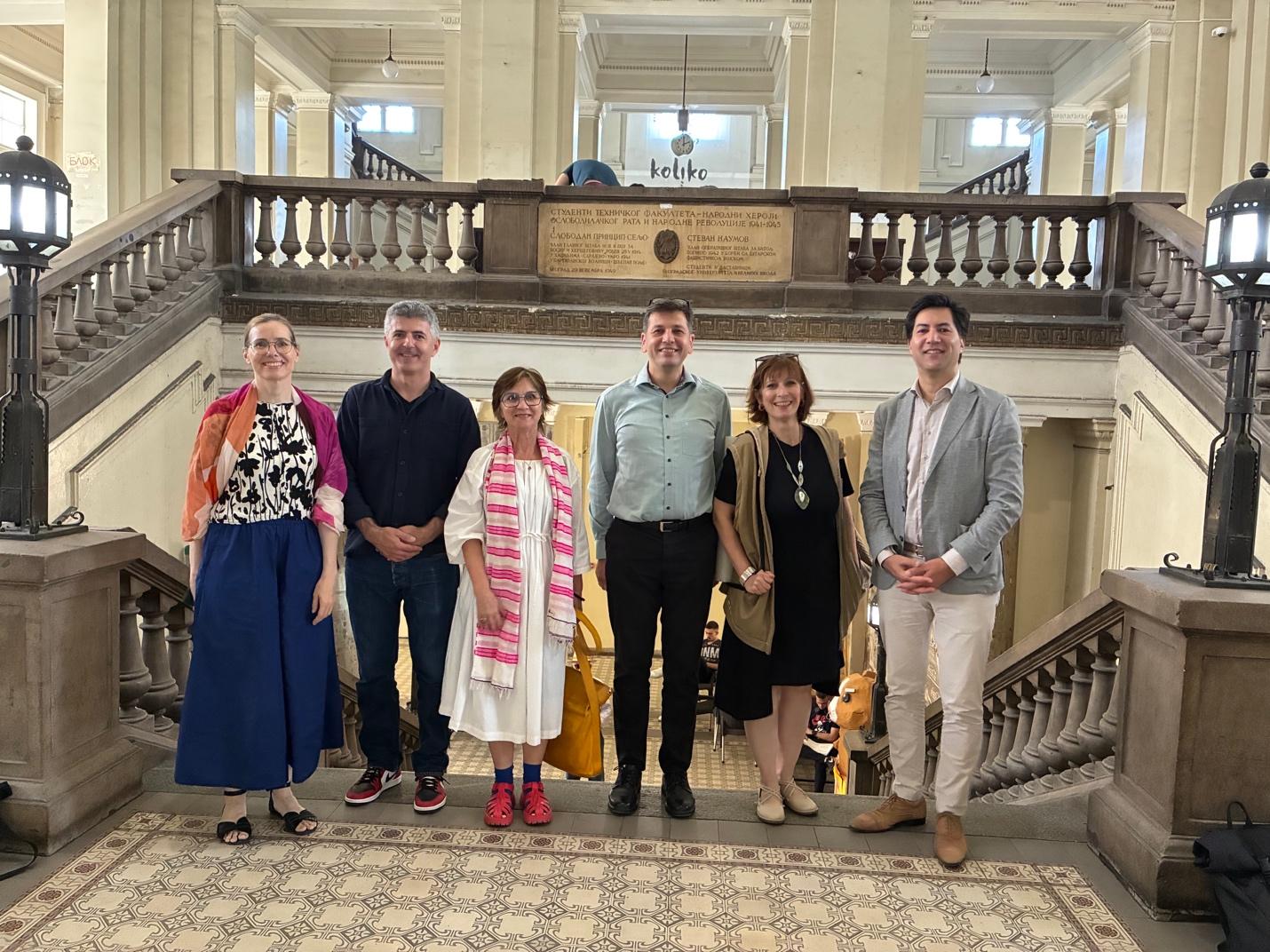
Fig. 2. From left to right: Martina Bofulin, Aleksandar Staničić, Mirjana Lozanovska, Jovan Pešalj, Svetlana Milutinović and Vincent Chang.
The Fieldwork
Complementing these theoretical inquiries, the event included a focused field investigation in Belgrade. This fieldwork allowed us to observe local spatial practices firsthand, mapping how migrants actively utilize architecture to sustain daily life, maintain cultural heritage, and build meaningful connections with local communities and building cultures. Togetherwe visited the following sites: Chinese Cultural Center, Oli Department Store (Old Merkator), Belmax Center (ex Grmeč chemical plant), Blok 70, Eurasia Trade Center, and Ledine China Town Shopping Center.
Fieldwork Conclusions
Ultimately, our field investigations reveal that the concept of “Chinatown” remains very much alive in Belgrade, occasionally even promoted by the migrants (and/or a governmental body or a joint venture) themselves. Architecturally, however, the concept is highly diverse and resists being neatly pigeonholed into a single category. Instead, it is constantly evolving, shifting from traditional notions of Chinatowns as isolated ghettos toward spaces seen as hubs of multicultural exchange. These spatial dynamics operate across multiple registers—from the micro to the meso and macro levels—and frequently rely on the repurposing of existing urban structures, which brings the question of aesthetic appropriation right to the forefront.
While large-scale Chinese state investments (like the Chinese Cultural Center) represent a completely different story, these seemingly smaller, grassroots interventions are often funded by foreign capital as well, raising critical, complicated questions about land and property ownership. Moving forward, a comprehensive understanding of these dynamics requires looking closely at everyday places of emplacement, such as schools and healthcare centers. It is within these ordinary, daily spaces that migrants actively generate environments responsible not just for preserving their historical background, but for shaping their future cultural development as well.
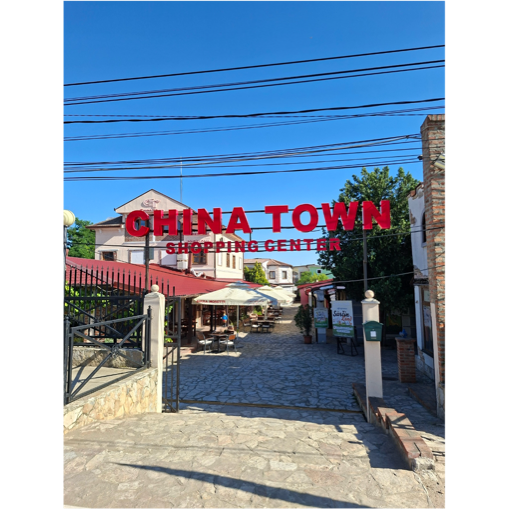
Fig. 3. China Town Shopping Center in Ledine, Belgrade, Serbia.